


Plant misting system
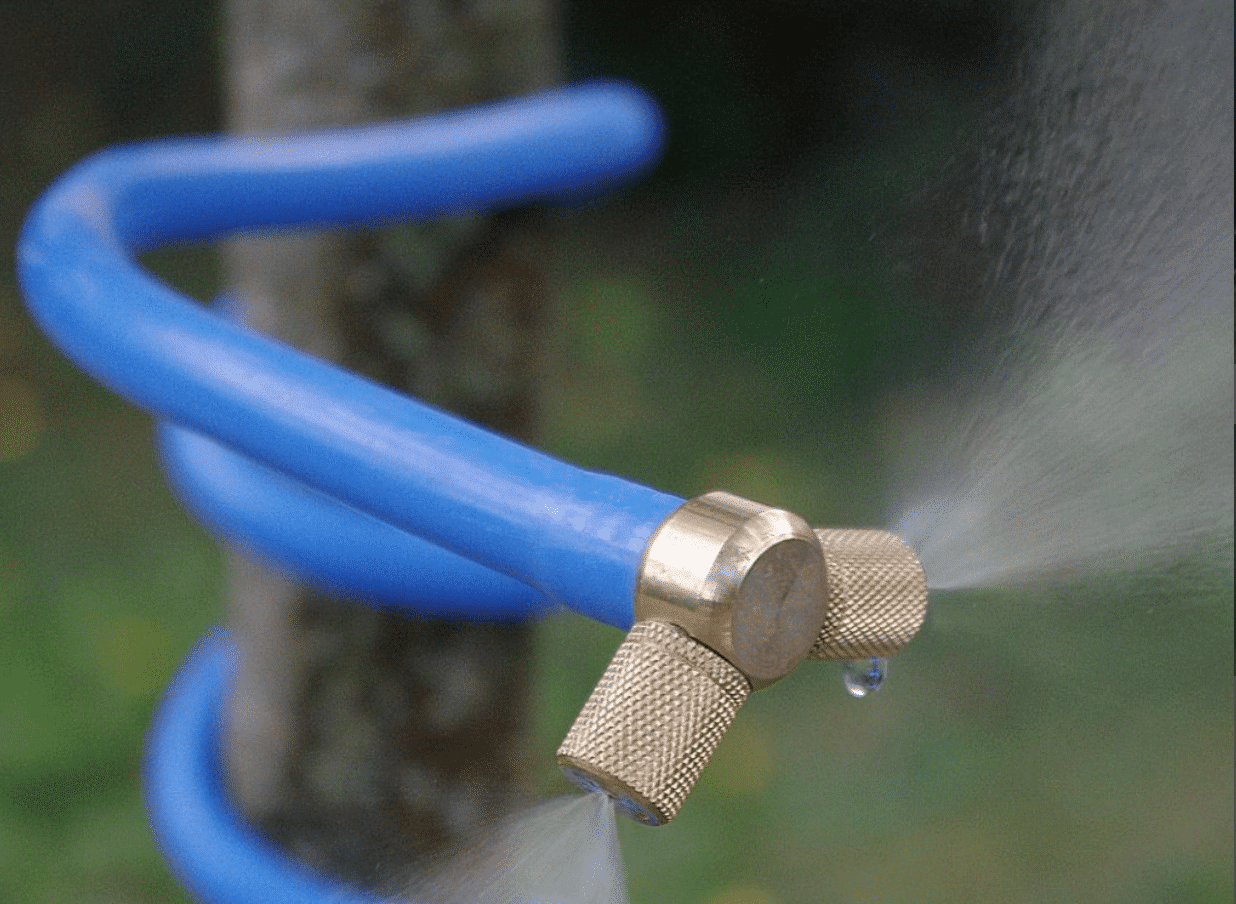
Using garden misting systems to water plants
Plants love mist: most gardeners agree. The garden misting system can be used to moisten the soil and maintain optimum humidity levels for plant growth and development. It’s a device that atomizes water into fine particles at regular intervals.
1) How does the misting system work?
If you have a terrarium, the misting system will be of great use to you on several counts: it will increase humidity, prevent ambient dryness and respect the physiology of your terrarium’s ecosystem. Last but not least, its main advantage is its autonomy: it will compensate for frequent watering and is very useful if you’re away for a definite period (vacation, travel). Its action is global: it contributes to creating an ideal atmosphere for the growth of your plants, whether they are located inside or outside your home.
2) A few tips for choosing the right misting system for your garden
Before buying a misting system, there are a number of aspects to consider, such as water hardness. If the water is hard, you’ll need to install an anti-scale filter to prevent the orifices from clogging. You’ll also need to maintain the filter regularly to prevent the appearance of mold, which can be harmful to plants in the long term. If you opt for a misting system without a reservoir, choose demineralized water that contains no impurities. The misting system should be used during the hottest part of the day, from midday until 5 p.m., when it’s the hottest part of the day.
For its effect to be effective, it needs to be activated regularly to meet the water requirements of the plants and animals living in the terrarium. In the long term, you’ll quickly see the benefits for your garden: it’ll be greener, and plants will grow much more vigorously. With constantly moist soil, they’ll find the nutrients they need to grow properly, even in arid regions.
3) AT WHAT TIME OF YEAR IS MISTING ESSENTIAL?
In winter, heating works more frequently, making the atmosphere too dry. Hygrometry can then drop, and plant leaves begin to dehydrate, eventually falling off. However, more watering is not recommended in this case, as it would encourage progressive root degradation and lead to root rot. The aridity of the air dries out the top of the roots, while they are drowned at their base. In winter, whether your plants are outdoors in the garden, or indoors where they don’t benefit from the morning dew, regular, controlled misting of the foliage is certainly the best way to hydrate and protect your plants.
In summer, heat encourages evapotranspiration, so plants transpire and lose water through their leaves. Every day, a plant loses the equivalent of its weight in water through transpiration. The hotter the weather, the greater the water shortage, and here again your plants need to be watered more frequently. A misting system for plants will enhance the watering quality of your plants and keep them healthy.
4 ) MISTING SYSTEMS: AN ECOLOGICAL WATERING SOLUTION
The advantages of the misting system for plants are obvious: it’s environmentally friendly. The water used is controlled and put to good use, compared with more conventional humidification methods such as irrigation. Greenhouse misting systems keep the ambient air humid while consuming a minimum of water. The air temperature is ideal for an optimal microclimate. Ecology applies just as much to our gardens as it does to our terraces and balconies. That’s why using a misting system greatly reduces water consumption, which is a great way to help protect this natural resource and provide plants with the water they need to thrive. In a garden, not all insects are harmful, and some are very useful for plants. Misting does not eliminate everything in its path, and is an excellent solution for organic farming, as it helps to keep certain insects at bay, thus avoiding the intensive use of synthetic chemicals.